

Nigeria’s power sector has struggled for decades with inefficiencies, revenue losses, and unreliable supply. From estimated billing disputes to energy theft and poor consumption tracking, the gap between electricity generation and actual revenue collection remains a critical challenge.
At the center of solving many of these issues is a simple but powerful tool: smart metering technology.
Smart meters represent a shift from outdated, manual systems to digital, data-driven energy management, enabling both providers and consumers to interact with electricity in a more transparent and efficient way.
The Problem with Traditional Metering
For many electricity users in Nigeria, estimated billing has been a long-standing frustration. Without accurate measurement, consumers are often billed based on assumptions rather than actual usage.
This leads to:
- Billing disputes and lack of trust
- Revenue losses for distribution companies
- Difficulty in tracking real energy consumption
- Increased cases of electricity theft and meter bypass
Traditional metering systems simply lack the capability to support a modern, growing energy market.
What Are Smart Meters?
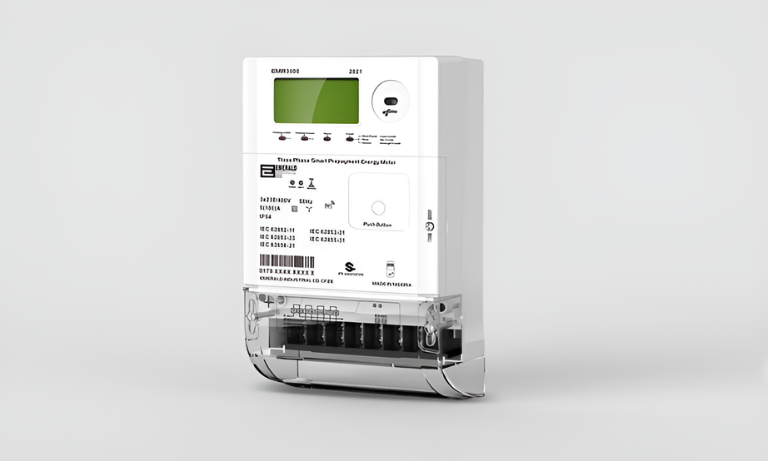
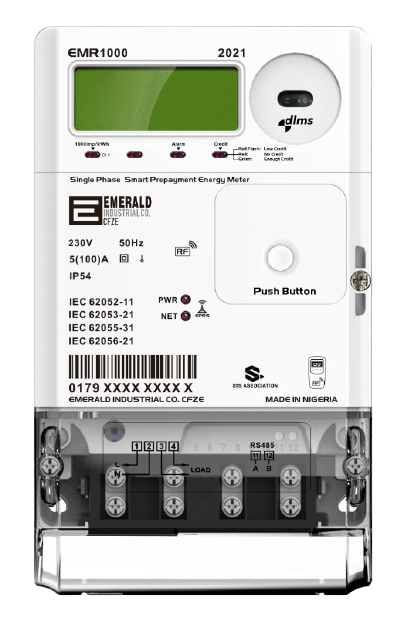
Smart meters are digital devices that measure electricity consumption in real time and communicate that data directly to both consumers and utility providers.
Unlike conventional meters, smart meters:
- Provide accurate, real-time energy usage data
- Enable remote monitoring and management
- Reduce the need for manual meter readings
- Support prepaid and postpaid billing systems
- Detect tampering and unauthorized usage
They are not just measuring devices. They are critical infrastructure for a smarter energy ecosystem.
How Smart Meters Solve Nigeria’s Energy Challenges
1. Eliminating Estimated Billing
Smart meters ensure customers are billed based on actual consumption. This improves transparency and rebuilds trust between consumers and electricity providers.
2. Reducing Energy Theft and Losses
With built-in tamper detection and monitoring capabilities, smart meters help reduce illegal connections and electricity theft, which significantly impact revenue in the power sector.
3. Improving Revenue Collection
Accurate billing and prepaid options ensure that distribution companies can recover costs more effectively, improving financial sustainability across the sector.
4. Enabling Data-Driven Energy Management
Smart meters provide valuable data that can be used to:
- Analyze consumption patterns
- Forecast demand
- Improve load management
- Plan infrastructure upgrades
This data is essential for building a more efficient and responsive power system.
5. Supporting Renewable Energy Integration
As Nigeria moves toward renewable energy solutions, smart meters play a key role in:
- Managing decentralized energy systems
- Supporting mini-grids and solar installations
- Enabling smarter distribution networks
They are a foundational component of any modern, sustainable energy strategy.
The Role of Local Manufacturing
One critical factor in scaling smart meter adoption is local manufacturing and assembly.
By producing smart meters locally:
- Costs can be reduced
- Deployment becomes faster
- Local expertise and jobs are created
- Supply chain challenges are minimized
Companies like Emerald Industrial Co. FZE, through their smart meter manufacturing and assembly capabilities, are positioned to support Nigeria’s transition toward a more efficient and digitally enabled power sector.
The Path Forward
Smart metering is not just an upgrade. It is a necessary step toward fixing structural inefficiencies in Nigeria’s power system.
For real impact, stakeholders across the sector must:
- Accelerate smart meter deployment
- Invest in supporting infrastructure
- Encourage local manufacturing and innovation
- Promote policies that support digital energy solutions
Conclusion
Nigeria’s energy challenges are complex, but not unsolvable. Smart meters offer a practical, scalable, and sustainable solution to many of the sector’s most pressing issues.
By improving transparency, reducing losses, and enabling smarter energy management, smart meters are helping to reshape the future of electricity in Nigeria and across West Africa.