

If you ask most people what’s wrong with Nigeria’s power sector, you’ll hear the same answer every time:
We don’t generate enough electricity
That sounds logical. It’s also incomplete.
Because even when power is generated, a lot of it never reaches the people who need it. And when it does, it’s often poorly managed, inaccurately billed, or lost somewhere along the line.
So the real problem isn’t just generation.
It’s what happens after generation.
The Part Nobody Likes Talking About
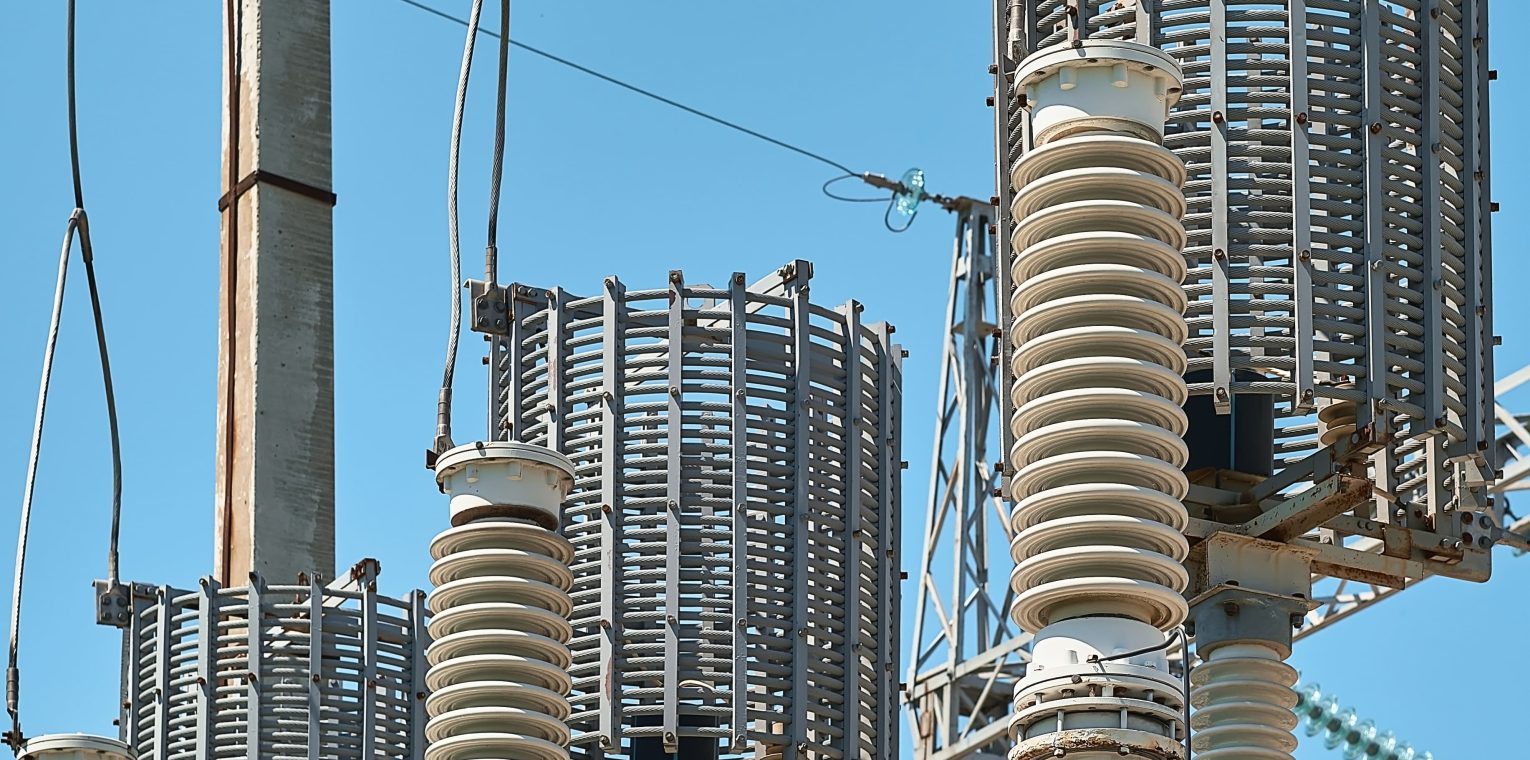
Electricity doesn’t just appear in homes and businesses. It moves through a system that includes:
- transmission networks
- distribution infrastructure
- metering systems
- billing and revenue collection
If any part of that chain is weak, the entire system struggles.
In Nigeria, several of these links are under pressure.
Power gets lost.
Usage isn’t tracked properly.
Revenue doesn’t match consumption.
And suddenly, the whole system feels unreliable, even when electricity is being generated.
Why Distribution Matters More Than People Think
You can increase generation all you want, but if distribution can’t handle it, you’re just pouring water into a leaking bucket.
Distribution challenges show up as:
- overloaded transformers
- unstable supply
- frequent outages
- voltage fluctuations
- poor customer experience
Fixing distribution isn’t as flashy as building new power plants, but it’s far more impactful in the short term.
The Role of Data (and Why It’s Missing)
Here’s where things get interesting.
A modern power system runs on data:
- how much energy is used
- where it’s used
- when demand peaks
- where losses occur
Without that, utilities are basically guessing.
And guesswork in something as critical as power supply leads to:
- inefficiency
- financial losses
- poor planning
This is exactly where digital tools like smart meters start to matter. Not because they’re trendy, but because they replace assumptions with actual data.
Infrastructure Isn’t Just Hardware
When people hear “infrastructure,” they think:
- cables
- transformers
- substations
But infrastructure also includes:
- systems
- processes
- operational expertise
A well-run power system depends on:
- proper maintenance
- coordinated operations
- trained personnel
- reliable equipment
Without these, even the best hardware won’t perform as expected.
So What Actually Needs to Change?
Improving Nigeria’s power sector isn’t about one big fix. It’s about multiple coordinated improvements:
- Better distribution networks
- Accurate metering and billing systems
- Stronger maintenance and operational practices
- Data-driven decision making
- Investment in reliable equipment and infrastructure
None of these are glamorous. All of them are necessary.
Where Industry Comes In
This is where companies like Emerald Industrial Co. FZE play a role.
Not by making big promises, but by doing the work that actually keeps systems running:
- supporting plant operations
- maintaining critical equipment
- supplying infrastructure components
- enabling smarter energy systems
It’s not always visible work. But it’s the kind that holds everything together.
The Bottom Line
Nigeria’s energy problem isn’t just about how much power is generated. It’s about how well that power is managed, distributed, and sustained.
Fix those layers, and the system starts to behave differently.
More stable.
More predictable.
More efficient.
And suddenly, the conversation shifts from:
“We don’t have enough power”
to:
“We’re finally using what we have properly.”