

Nigeria’s oil and gas sector is often discussed in terms of production numbers, export revenue, and billion-dollar investments.
But that’s only part of the story.
Behind every barrel of oil and every cubic foot of gas is something less talked about and far more difficult:
operations.
Because the real challenge isn’t just extracting resources.
It’s keeping the entire system running.
Production Is Rising, But Not Enough
On paper, things look like they’re improving.
- Exploration activity has increased
- More rigs are active
- New investments are being announced
But output still tells a different story.
Nigeria averaged about 1.5 million barrels per day in 2025, below its target and often below OPEC quotas
So even with increased activity, the system isn’t delivering at full capacity.
Which raises a simple question: Why?
The Real Problem: Operations
The answer isn’t just geology. It’s operations.
Across the sector, operators are dealing with:
- aging infrastructure
- pipeline vandalism and security issues
- inefficient maintenance systems
- production disruptions and downtime
These factors continue to limit output despite available reserves
In simple terms: The oil is there. Getting it out efficiently is the problem.
Infrastructure Is Under Pressure
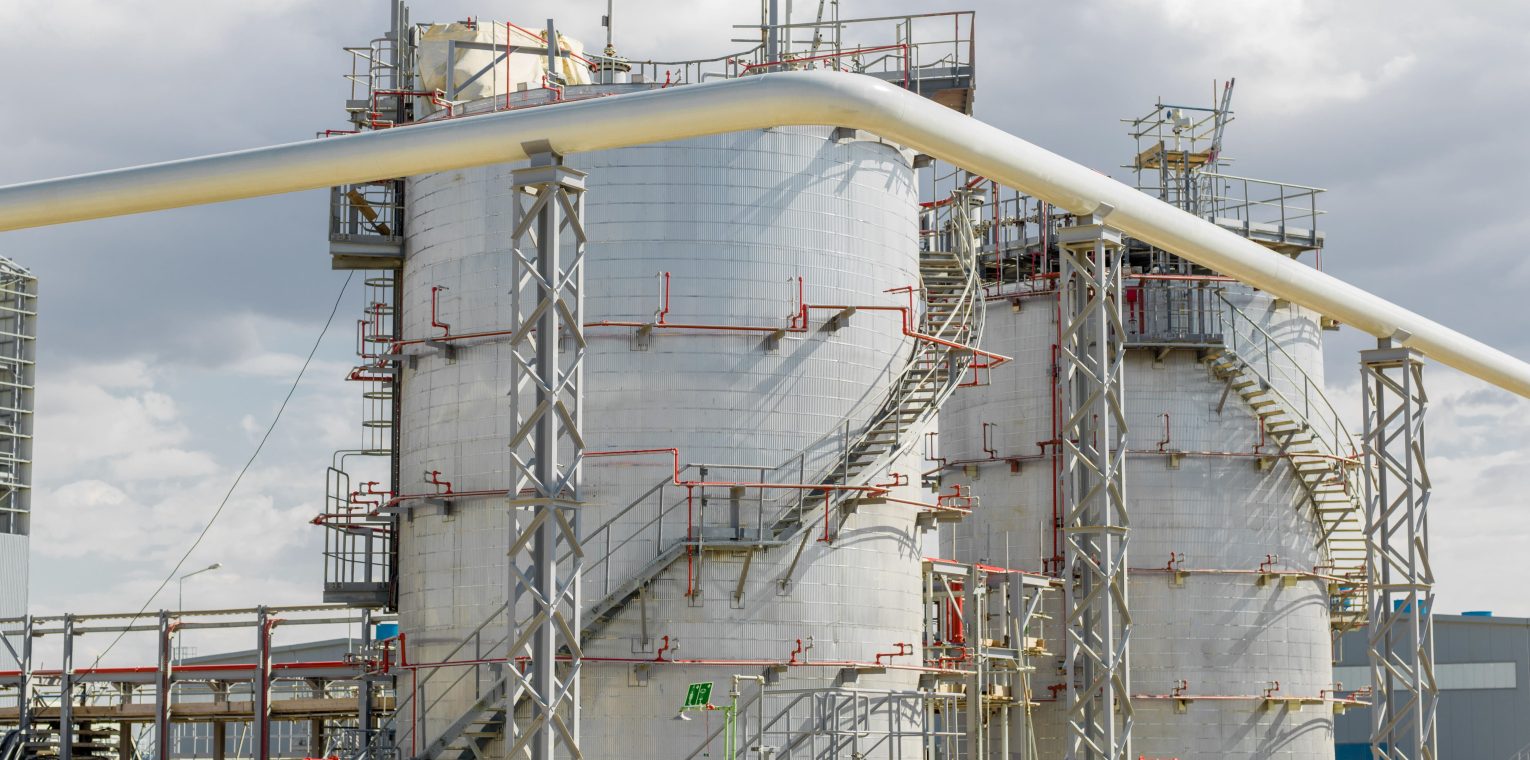
A lot of Nigeria’s oil and gas infrastructure wasn’t built yesterday.
Facilities, pipelines, and processing systems are:
- aging
- under-maintained
- operating under stress
This leads to:
- frequent shutdowns
- reduced efficiency
- higher operational costs
And when infrastructure fails, production doesn’t just slow down. It stops.
Security Still Affects Operations
This is the part nobody can ignore.
Pipeline vandalism and theft remain major issues, affecting:
- production levels
- revenue
- system stability
Even when repairs are made, the disruption leaves a lasting impact on operations and planning.
There’s a Shift Happening
One interesting development is the shift from international oil companies to local operators.
Nigerian companies are:
- taking over assets
- reactivating underperforming fields
- improving efficiency in some areas
This shift is creating opportunities for more localized expertise and operational control.
But it also means: More responsibility for maintaining complex systems.
Gas Is Becoming More Important
While oil still dominates exports, gas is gaining ground.
Gas exports grew significantly, and new infrastructure like pipelines is being developed to support industrial growth and power generation
Projects like the AKK pipeline are expected to:
- support manufacturing
- improve energy access
- drive industrialization
This means gas operations will play a bigger role going forward.
Operations Are the Real Bottleneck
When you strip everything down, most of the sector’s challenges come back to one thing:
Operational efficiency.
Not:
- lack of resources
- lack of investment
But:
- how well systems are managed
- how quickly issues are resolved
- how consistently equipment performs
Where Engineering Support Matters
This is where companies like Emerald Industrial Co. FZE actually come in.
Not with big promises, but with:
- on-ground technical support
- maintenance coordination
- equipment servicing
- operational stability
Because in oil and gas, success isn’t just about building systems.
It’s about keeping them running.
The Bottom Line
Nigeria’s oil and gas sector is evolving, with new investments, shifting ownership, and growing gas opportunities.
But the real work is happening at the operational level.
- maintaining infrastructure
- managing risk
- improving efficiency
- keeping production stable
Fix operations, and everything else starts to improve.
Ignore it, and even the best resources in the world won’t be enough.